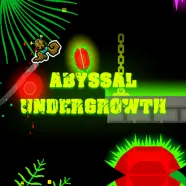









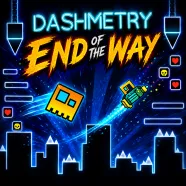
Throwing yourself headfirst into a never-ending river of action is what Monster Rash is all about. Upon being given the choice to halt, the blocky figure immediately begins to speed ahead.
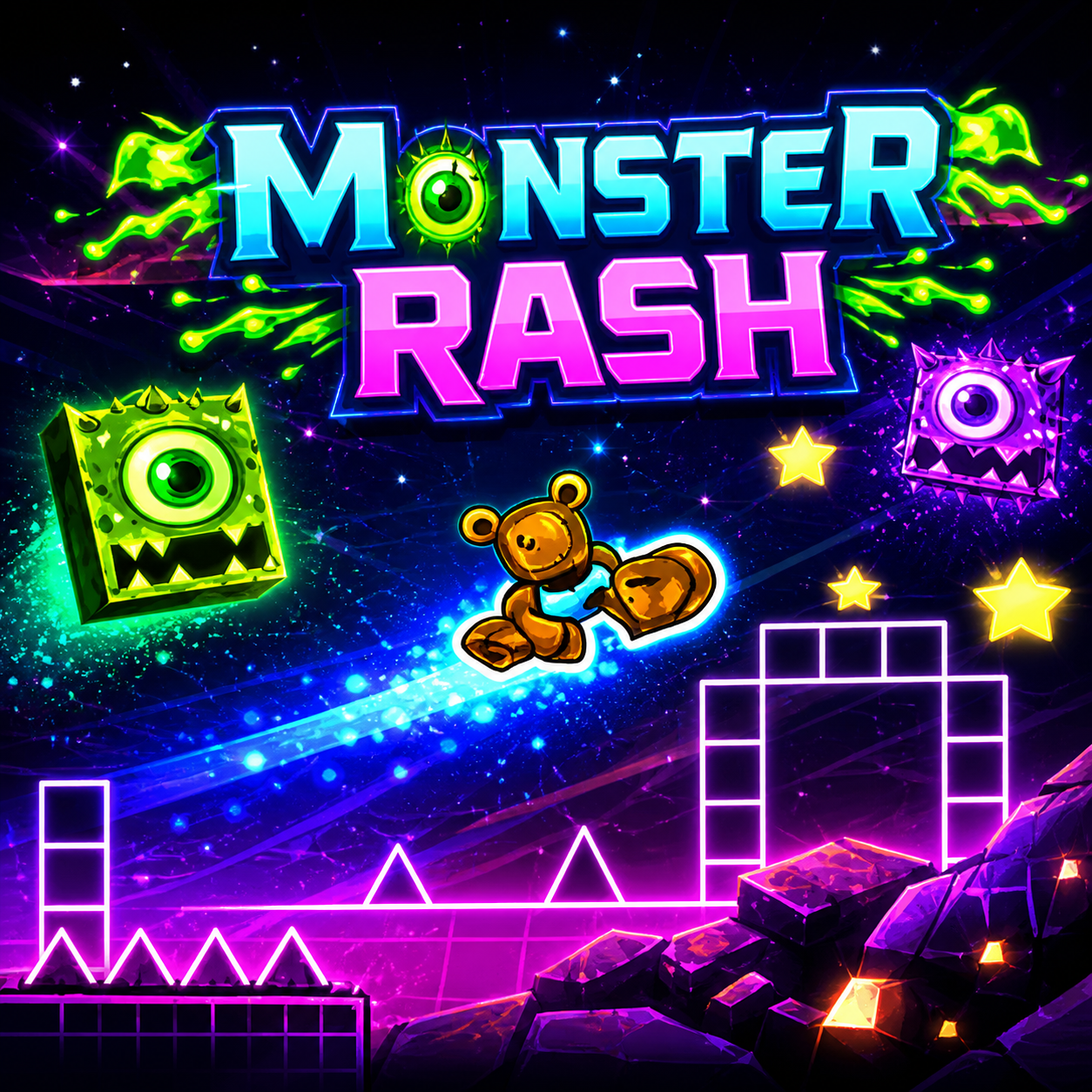
Neon World Without Brakes
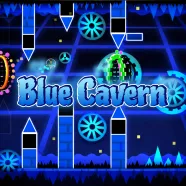
A dazzling neon space unfolds continuously with platforms, pits, spikes, and walls appearing at an increasingly dense pace. Color and light not only serve as decoration but also contribute to the feeling of speed during gameplay. Platforms and obstacles appear with increasing complexity. Players don't control speed but only the timing of their jumps, turning each touch into an instant survival decision. The game creates a constant tension as the distance between obstacles shortens progressively. Each jump across a section of the track feels like a precise sequence maintained under high pressure. As speed increases, the space becomes more like a continuous stream of moving images than a static map.
The Timing Of The Jump Determines Success
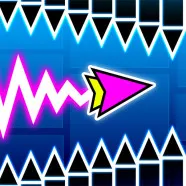
In Monster Rash, the controls are streamlined to the maximum, requiring only one action to jump. The character always moves automatically forward, forcing the player to focus entirely on timing the jump. Obstacles such as spikes, gaps, or uneven surfaces appear with increasing density. The game doesn't allow for long-term prediction but demands immediate action in the present moment. As speed increases, reaction time shortens, turning each jump into an instinctive decision. The further the player progresses, the more crucial accuracy becomes. The game doesn't tolerate small deviations, so each successful jump feels like a balance between risk and control.
Accelerated Progress Mechanism
The game doesn't maintain a constant difficulty level but continuously expands the challenge over time. Each further progression means facing higher speeds and shorter obstacle distances. This creates an increasing difficulty curve instead of a steady one. Players start with an easily controllable pace but are quickly pushed into a state of continuous rapid reaction. The gameplay turns progress into a test of maintaining accuracy under increasing pressure. There are no long breaks between sections, keeping the pace seamless. Each failure sends the player back but with a deeper understanding of the pace.
Multiple Explosive Arcade Rhythms