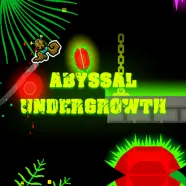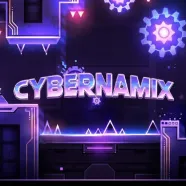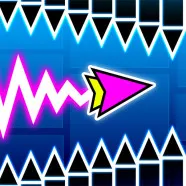




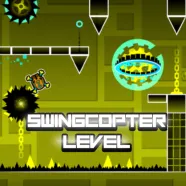
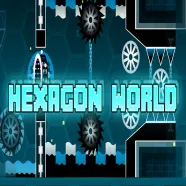

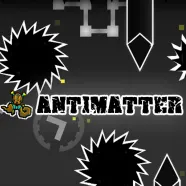

Dash Impact X draws players into a sonic and geometric structure. Each jump is no longer a single action but becomes part of a constantly evolving rhythm.

The Rhythm Of Reflexes Is Pushed To Unpredictable Limits
The space is built in a way that disrupts perception, where vision and reflexes are constantly in conflict. You not only overcome obstacles but also learn to read the entire language of movement in the level. A single misstep can reset the entire process. But instead of creating a sense of failure, the game turns each reset into a skill resynchronization. The game tests your focus and accuracy, not your speed. There's no room for unconscious reflexes; every action needs to be linked to a sense of rhythm and space. The game is therefore similar to a reflex test that is expressed through music in an erratic manner. This blend makes each replay feel like stepping into a different version of the same challenge.
The Ever-Changing Tempo Refuses To Remain Static
No section remains static long enough for the player to rest. Each area is a dynamic structure where speed and mechanics are constantly being rewritten. Some sections prioritize quick reflexes, while others require precise timing according to the sound sequence. The changes between gameplay modes force the player to constantly update their thinking in real time. Obstacles don't just stand still but appear as part of the overall movement's rhythm. Familiarity is almost nonexistent because the game constantly disrupts newly formed habits. This instability creates pressure but also maintains long-term appeal. The further players progress, the more they must learn to trust the rhythm instead of the visuals. Each time they overcome a difficult section, it's like deciphering a hidden layer of logic within the design.
One Button, But Many Layers Of Meaning
The entire system revolves around a single action: touch or tap to control. It sounds simple, but this very minimalism creates complexity in how the game responds to the player. Each touch not only creates a jump but also triggers a change in state within the movement. The character constantly transforms shape, leading to a complete change in control. Release at the precise moment to prevent an immediate collision, and hold to maintain the trajectory in other cases. This transformation happens so constantly that players don't have time to apply a fixed formula. Each level is like a new control language learned while running. There's no long learning curve, only adaptation alongside failure. Skill in the game lies not in manipulation but in the ability to read changes.
The Entire Experience Is Similar