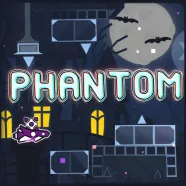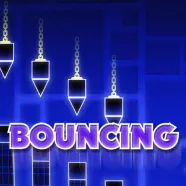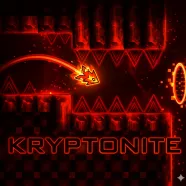
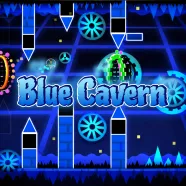









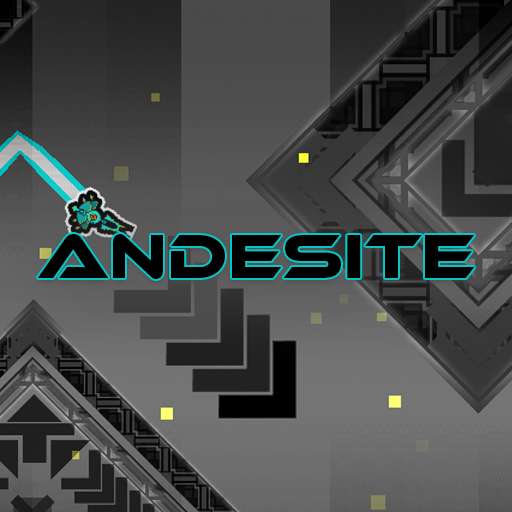
Dashmetry Andesite emerges as a daring experiment in tightly compressed rhythm within tiny limits. There's no familiar sense of flow; instead, there's a continuous jolt between high-speed sections.
Tense, Broken Rhythms In A Compressed Space
Design Structure
Level is built with a focus on control rather than on display. The more than one-minute duration is utilized to maintain continuous pressure without interruption. A notable point is how the playing sections are locked within narrow corridors. The space doesn't allow for unnecessary adjustments, forcing every action to be precise from the start. The deafening music doesn't create a clear climax but maintains a stable rhythm, contributing to sustained tension throughout. Support mechanisms like Endless Mode or Lucky Wheel only play a supporting role and do not affect the core challenge. Players need to adapt to the changing pace while maintaining stability in control.
Instant Pressure
Without a warm-up period, Dashmetry Andesite pushes players into a state of immediate control from the very first seconds. The opening ship mode does not allow free flight but forces constant adjustments. Rotating obstacles create a sense of disruption, making maintaining flight direction unpredictable. When switching to Ball mode, the control rhythm changes abruptly, requiring immediate adaptation. Taps are no longer simple reflexes but must be purposeful. Then, the Wave section appears as a transition to a higher level of control. The narrow and elongated path gradually increases pressure over time. Sections are connected by quick cuts, interrupting the familiar feeling. This phase plays a role in breaking the player's initial stability.
The Rhythm Becomes Unpredictable
The wave sequences become denser, leaving no room for adjustment. The zigzag rhythm is no longer even but is broken by the placement of obstacles. Such a pattern makes maintaining stability much more difficult. When transitioning to UFOs, the gameplay demands restraint instead of speed. Pressing too fast or too slow both leads to failure. This change forces players to reduce the tempo in a controlled manner. However, the tension doesn't lessen. The final section combines many forms in a short time, creating a feeling of pressure. There is no clear warning for the transitions; players have to rely more on memory than reflexes.
True Control Tests